Table of Contents
- Screen Printing: High-Volume Production Standard
- Direct-to-Garment (DTG) Printing: Best for Complex Designs
- Direct-to-Film (DTF) Printing: Versatility and Detail
- Heat Transfer Vinyl (HTV) and Dye Sublimation: Specialty Applications
- Best Embroidery vs Screen Printing for Durability
- Durability of T-Shirt Printing Techniques: Wash Fastness and Longevity
- Cost-Effective Printing for Small Business Apparel
- Choosing the Right Method for Your Cotton T-Shirt Order
- Frequently Asked Questions
Last Updated: September 28, 2026
Screen Printing: High-Volume Production Standard
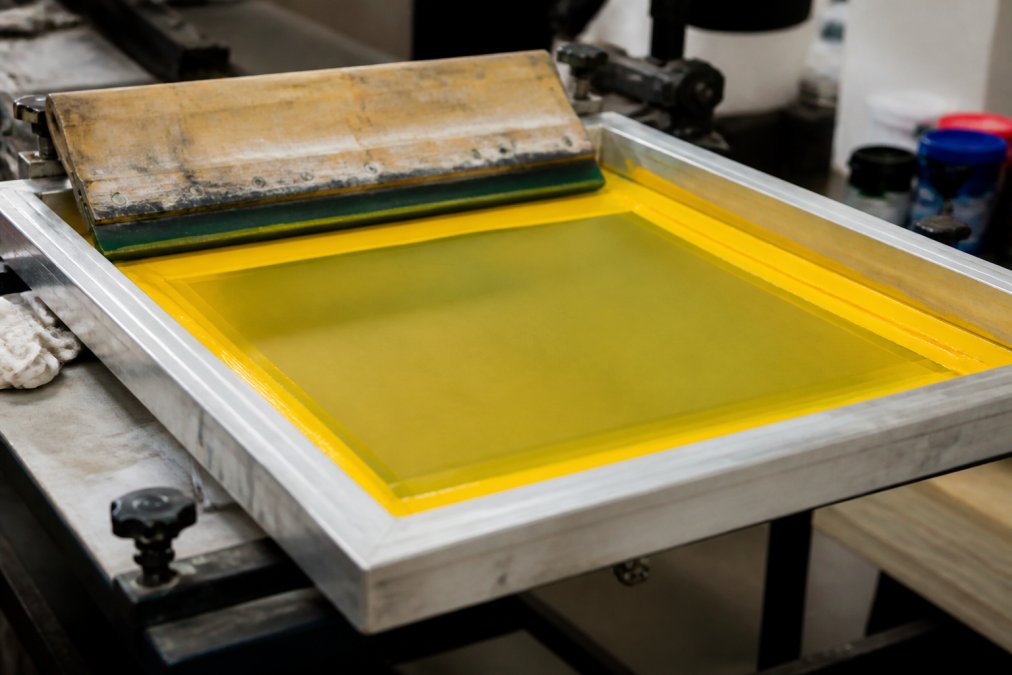
Screen printing remains the workhorse of the apparel printing methods landscape, especially for high-volume orders where cost per unit drops significantly. This technique involves pushing ink through a mesh screen onto fabric using a squeegee, creating vibrant, durable prints that withstand hundreds of washes.
The process starts with creating a mesh screen coated with light-sensitive emulsion. Your design gets burned onto the screen, blocking ink from passing through non-image areas. Plastisol ink or water-based ink fills the screen, and the squeegee forces it directly onto the garment. The ink then requires a curing process, typically using a flash dryer or curing tunnel, to bond permanently to the fabric.
What makes screen printing exceptional for cotton t-shirts is durability. The ink sits on top of the fibers, creating a hand feel that’s slightly raised and tactile. Properly cured screen-printed designs maintain wash fastness for hundreds of laundry cycles, making this method ideal for team uniforms and promotional apparel that needs to survive real-world wear.
The setup costs are higher than other methods, you’ll need screens, a press, and curing equipment. But once you’re producing 50+ units, the per-unit cost becomes unbeatable. Many businesses and sports teams choose screen printing specifically because durability and cost-effectiveness align perfectly for bulk orders.
If your design has fine details or gradients, screen printing struggles. The process works best with bold, solid colors and simple artwork. For complex designs, you’ll want a different apparel printing method.
Direct-to-Garment (DTG) Printing: Best for Complex Designs
Direct-to-garment printing operates like an inkjet printer, but instead of paper, the garment sits on a platen under the print head. Water-based inks spray directly onto the fabric, creating photorealistic prints with unlimited color options and fine detail that screen printing cannot match.
DTG excels when your design includes gradients, photographs, or intricate artwork. The print head deposits ink at high resolution (measured in dpi, dots per inch), producing crisp details impossible with screen printing. There’s no setup time, no mesh screens, no curing tunnels. Print one shirt or one hundred with the same workflow.
For cotton t-shirts, DTG produces soft hand feel because the ink penetrates the fibers rather than sitting on top. The prints are vibrant immediately, though they do require a heat press to cure and set the ink permanently. Wash fastness is good when properly cured, though some users report slight fading after 50+ washes compared to screen printing’s longevity.
The trade-off: DTG is slower per unit than screen printing and costs more per shirt on small runs. The equipment is also expensive, making this method less practical for businesses just starting out. However, for custom one-off orders or small batches with complex designs, DTG delivers results no other apparel printing method can match.
Piercy Sports and Apparel uses high-resolution digital printing to handle designs that demand precision and detail.
Direct-to-Film (DTF) Printing: Versatility and Detail
Direct-to-film printing bridges the gap between screen printing’s durability and DTG’s design flexibility. The process prints your design onto a special film, then transfers that film onto the garment using heat and pressure. The result combines photorealistic detail with excellent wash fastness.
DTF works on virtually any substrate, cotton, polyester, blends, dark colors, light colors. The prints are crisp, vibrant, and durable. Setup is minimal compared to screen printing, making DTF practical for both small custom orders and larger production runs. The hand feel is slightly raised, similar to screen printing, but the image quality rivals DTG.
The appeal of DTF for apparel printing methods lies in flexibility. You’re not locked into one color base or limited to light garments. Dark cotton t-shirts print beautifully without pre-treatment. Complex designs with gradients and fine detail reproduce accurately. Wash fastness is strong when the film is properly adhered, typically lasting 100+ washes without significant fading.
Cost per unit falls between DTG and screen printing, making DTF attractive for mid-sized orders (25-200 units). Setup is faster than screen printing but slower than DTG. For businesses that need versatility without the complexity of maintaining multiple printing technologies, DTF solves a real problem.
DTF film quality varies significantly between suppliers. Lower-quality films can crack or peel after 20-30 washes. Always source film from established manufacturers and test before committing to large orders.
Heat Transfer Vinyl (HTV) and Dye Sublimation: Specialty Applications
Heat transfer vinyl uses adhesive-backed vinyl sheets cut to your design shape, then pressed onto the garment with heat. The vinyl bonds to the fabric surface, creating a plastic-like finish. HTV works best for simple designs, logos, text, single-color graphics, and is popular for custom sports apparel and promotional items.
The hand feel is distinctly plastic, which some customers prefer and others dislike. Durability depends on vinyl quality and press pressure. Lower-quality vinyl peels after 20-30 washes. Premium vinyl lasts longer, though the raised plastic feel remains noticeable. HTV is ideal when you need quick turnaround and simple designs; it’s less suitable for photorealistic or gradient-heavy artwork.
Dye sublimation works only on polyester or specially treated synthetic blends. The process uses heat to turn solid dye into gas, which bonds chemically to the fibers. The result is vibrant, permanent color that won’t crack, peel, or fade. Wash fastness is exceptional, often 100+ washes without visible degradation.
The limitation: dye sublimation doesn’t work on cotton. It requires polyester or coated substrates. For cotton t-shirts specifically, dye sublimation isn’t an option. However, if your apparel order includes polyester performance wear, sublimation delivers unmatched color vibrancy and durability.
Best Embroidery vs Screen Printing for Durability
Embroidery uses thread stitched directly into the fabric, creating a three-dimensional, textured design. The durability is exceptional, embroidered logos outlast screen printing on garments subjected to heavy wear. For team uniforms that will be washed weekly, embroidery proves its value over years of use.
The trade-off is cost. Embroidery requires digitizing artwork into stitch files, and the per-unit cost remains high even on large orders. Complex designs with many colors require more thread changes, slowing production. Fine detail is difficult to achieve with embroidery; small text and thin lines don’t translate well from vector graphics to stitched designs.
Screen printing offers faster production and lower cost per unit, but the ink can crack under extreme stress or repeated flexing. For garments that move a lot, athletic wear, work uniforms, embroidery’s thread-based structure handles movement better. For casual apparel or promotional items worn occasionally, screen printing’s durability is sufficient.
The best choice depends on garment lifespan and use case. A youth sports team wearing uniforms for one season can use screen printing. A professional sports franchise needing uniforms that survive multiple seasons should invest in embroidery. Many businesses combine both methods, embroidering the front logo for durability and screen printing the back design for cost efficiency.
Durability of T-Shirt Printing Techniques: Wash Fastness and Longevity
Wash fastness, how well a design survives repeated laundering, varies significantly across apparel printing methods. Screen printing with properly cured plastisol ink leads the durability rankings, often lasting 200+ washes before visible fading. The ink sits on the fabric surface, protected from friction and abrasion inside the wash cycle.
DTG prints fade faster than screen printing, typically lasting 50-100 washes depending on curing and ink quality.
Cost-Effective Printing for Small Business Apparel
Small businesses often face a dilemma: they need custom apparel but lack the volume to justify screen printing’s setup costs. This is where DTG and DTF printing become valuable. Both methods eliminate setup fees, allowing you to order 10 shirts or 100 with the same workflow.
The cheapest option per unit isn’t always the best value. A slightly higher per-unit cost with faster turnaround and no setup fees often saves money when you factor in time, storage, and inventory carrying costs.
| Printing Method | Best Volume | Setup Cost | Per-Unit Cost | Design Complexity | Durability |
|---|---|---|---|---|---|
| Screen Printing | 100+ units | High | Low | Simple to moderate | Excellent (200+ washes) |
| DTG | 1-50 units | None | Higher | Complex/photorealistic | Good (50-100 washes) |
| DTF | 25-200 units | Low | Moderate | Complex/photorealistic | Very good (100+ washes) |
| Heat Transfer Vinyl | 1-100 units | Low | Moderate | Simple only | Fair to good (50-75 washes) |
| Embroidery | 10+ units | Moderate | High | Limited detail | Excellent (indefinite) |
Choosing the Right Method for Your Cotton T-Shirt Order
The decision comes down to four factors: order volume, design complexity, turnaround time, and durability requirements.
Frequently Asked Questions
What is the most durable apparel printing method for cotton t-shirts?
Screen printing typically offers the longest durability when properly cured, with ink bonding deeply into fabric fibers. The plastisol ink used in screen printing resists fading and cracking through hundreds of washes. Embroidery also ranks high for durability since thread physically interlocks with the garment. DTG and DTF can be durable if the curing process is optimized, but they depend on proper heat-setting to achieve wash fastness comparable to screen printing.
Which printing method works best for small business apparel orders?
DTG and DTF printing are most cost-effective for small business apparel because they have no screen setup fees and can handle single-unit or small-batch orders. Screen printing requires mesh screens and emulsion preparation, making per-unit costs higher on small runs. Heat transfer vinyl suits small orders too, especially for simple logos. For businesses ordering fewer than 50 pieces, digital methods eliminate the setup costs that make screen printing economical only at volume.
What’s the difference between screen printing and embroidery for durability?
Screen printing uses ink that cures into fabric fibers, creating a flat, flexible finish that resists peeling. Embroidery uses thread physically stitched through the garment, making it extremely durable but creating a raised, textured surface with slight hand feel. Screen printing handles detailed designs better and offers smoother coverage. Embroidery excels for logos and simple designs that need maximum longevity. Both outlast digital printing methods if executed properly.
How do I know if my design file will work for apparel printing?
Vector graphics (created in Adobe Illustrator or similar) are ideal for all printing methods because they scale without losing quality. Raster images (photos, JPEGs) work for DTG and DTF at high resolution (300 dpi minimum), but screen printing and embroidery require vector conversion. Low-resolution files appear pixelated when enlarged. Before ordering, confirm your file meets the printer’s specifications. Many providers can convert or enhance files, but starting with high-quality vector artwork prevents disappointment and rework.