Quick Summary
The best team uniform colors come from your existing logo, limited to two or three core colors that have clear contrast. Build a primary base, a secondary trim, and one small accent, then test visibility from 20 to 30 feet away.
- Pull exact colors from your logo file before choosing anything else.
- Limit your palette to two or three core colors to keep uniforms clean and affordable.
- Assign each color a job: primary base, secondary trim, and a single small accent.
- Check contrast from 20 to 30 feet away, since similar shades blur during fast play.
- Order all pieces in one production run and keep a master color sheet for reorders.
Table of Contents
- Why Uniform Colors Matter for Team Branding
- Step 1: Start With Your Logo and Existing Brand Colors
- Step 2: Limit Your Palette to Two or Three Core Colors
- Step 3: Test Contrast and Visibility on the Field
- Step 4: Choose Home and Away Uniform Color Ideas
- Step 5: Build Custom Team Uniform Color Combinations
- Step 6: Keep Colors Consistent Across Jerseys, Warmups and Spirit Wear
- Booking Your Team Uniform Color Consultation
- Frequently Asked Questions
Why Uniform Colors Matter for Team Branding
Team uniforms do more than keep players dressed. Choosing the right team uniform colors tells parents, opponents, and referees who your team is before anyone reads a name on a jersey. A well-chosen palette builds recognition, pride, and a sense of belonging that carries from the first practice to the final game of the season.
This guide walks through how to choose team uniform colors for branding in a clear, step-by-step way.
Color choice is not just about looks. It affects how easily players are seen, how well logos print, and how consistent your gear stays over time. Get these decisions right and your team looks organized.
Step 1: Start With Your Logo and Existing Brand Colors
Start with the logo. If your team already has one, it is the anchor for every color decision. Pull the exact colors from the logo file and write them down.
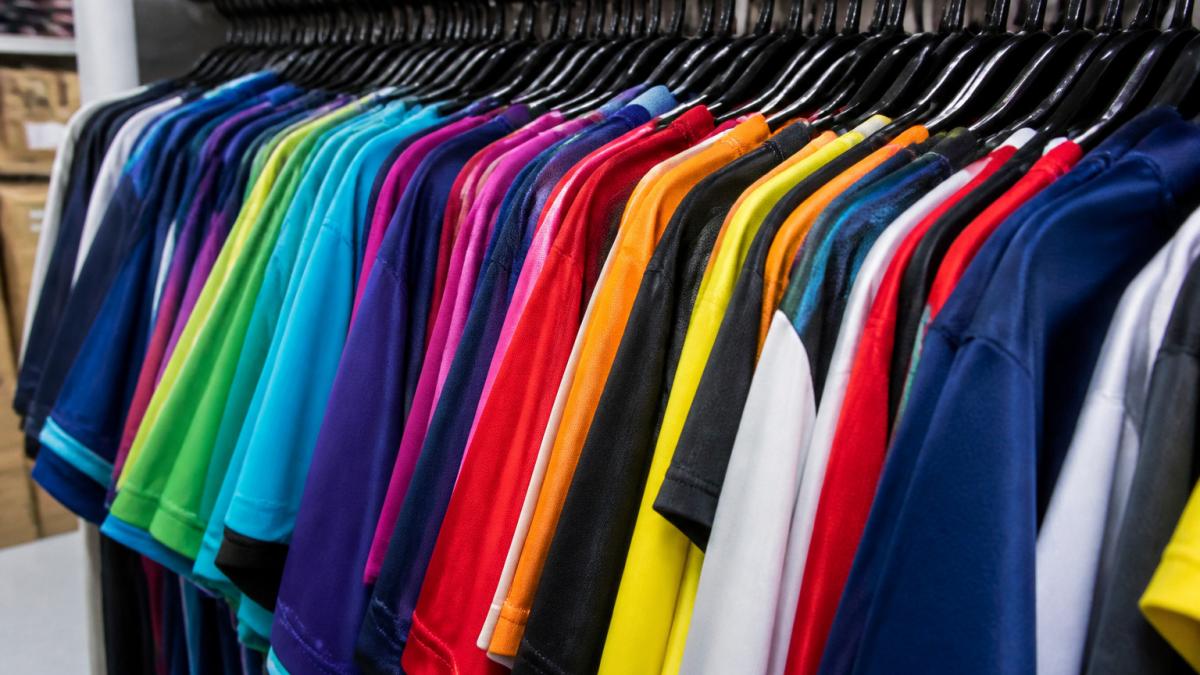
Many teams skip this step and pick colors they like. That often leads to a clash between the logo and the jersey.
- Gather the logo in its best available file format
- Note every color used in the logo
- Check if the school or club already uses those colors elsewhere
Colors look different on a monitor, a phone, and a printed swatch, so view physical samples when you can.
Step 2: Limit Your Palette to Two or Three Core Colors
Pick two or three core colors. More than that makes uniforms look busy and raises production cost, since each added color often means another print or thread pass.
Use a simple structure:
- Primary color: the main jersey base
- Secondary color: trim, numbers, and sleeve accents
- Accent color: a small detail like piping or a logo outline
Keep the accent to one small detail. If every element is a different color, the team loses a clear identity.
The article breaks the palette into three roles, so a quick reference table helps readers see what each color does.
| Color role | What it covers | Key guidance |
|---|---|---|
| Primary | Main jersey base | Anchor color for the set |
| Secondary | Trim, numbers, sleeve accents | Supports the primary |
| Accent | Small detail like piping or logo outline | Use only one small detail |
| Palette size | Core colors in total | Two or three colors |
Step 3: Test Contrast and Visibility on the Field
Color has to work from the far side of the field. Players need to stand out from one another, and fans need to find their team quickly.
Check contrast by viewing your palette from 20 to 30 feet away. Dark numbers on a light jersey and light numbers on a dark jersey are the easiest pairings to read.
Watch out: very similar shades, like two blues or two greens, can blur together during fast play. Choose colors with clear light-to-dark separation.
Test with real conditions when possible. Check how colors look in direct sun and under stadium or gym lighting, since what looks crisp indoors can wash out outdoors.
Step 4: Choose Home and Away Uniform Color Ideas
Most teams need two sets: home and away. The home set usually uses the primary color as the base. The away set often flips the scheme, using a white or light base with the primary color as trim.
Ideas that work well:
- Home: dark jersey, light numbers, secondary color trim
- Away: light jersey, dark numbers, primary color accents
- Tournament or alternate: a third set using the accent color as a limited edition look
Keep the logo colors consistent across both sets. Players should look like one team regardless of which uniform they wear.
Step 5: Build Custom Team Uniform Color Combinations
Now combine your colors into specific uniform designs. Custom team uniform color combinations work best when each color has a clear job.
Try a simple test. Lay out the top, bottom, socks, and warmup jacket together. If the set looks unified, the combination works. If one piece looks like it belongs to another team, adjust the shade.
- Match socks to the primary or secondary color
- Keep shorts simple, usually the primary or a neutral
- Use the accent color on jacket zippers or cuffs
Sports team color palette ideas often draw from school colors, local landmarks, or the mascot. A mascot-driven palette can give a youth league a fun, memorable identity.
Step 6: Keep Colors Consistent Across Jerseys, Warmups and Spirit Wear
Colors often shift between products. Jersey fabric, warmup material, and cotton spirit wear can each render the same hue differently.
To keep things consistent:
- Order all pieces from one provider in one production run when possible, and learn why custom team uniforms fade and how to prevent it.
- Request a sample of each fabric type before a full order
- Keep a master color sheet with exact specifications for future reorders
This matters most when roster changes or new players join mid-season. A reorder that looks slightly off can make the team seem disorganized.
Booking Your Team Uniform Color Consultation
Choosing colors is easier with an expert review. Piercy Sports and Apparel offers digital printing, embroidery, and screen printing, so your palette can be applied across your uniform products.
Pricing depends on quantity, design complexity, and delivery timing, so the best next step is to contact the team for a current quote.
Bring your logo, your preferred colors, and your season timeline to your conversation with the team.
Frequently Asked Questions
How do you choose colors for a team uniform?
Start with your logo and any existing school or league colors, then narrow the palette to two or three core colors. Check that the primary color stands out against the secondary color and against the field or court surface. Pricing for custom uniforms depends on quantity, decoration method and delivery date, so request a quote from Piercy Sports and Apparel with your chosen colors before you finalize the design.
How many colors should a team uniform have?
Most teams do well with two or three colors: a primary color for the main body of the jersey, a secondary color for trim and numbers, and optionally an accent. Each additional color usually adds setup cost and complicates the logo, especially for screen printing. Embroidery and digital printing can handle more colors, but a tighter palette keeps the uniform cohesive and easier to recognize from the stands.
Should home and away uniforms use different colors?
Yes, when the two sets could appear against similar opponent colors. The home set is typically the lighter or primary color, and the away set is the darker or contrasting option. Keeping the same accent color across both sets preserves brand recognition while ensuring each team is easy to tell apart on the field. Confirm your opponent’s colors with your league before ordering.