Table of Contents
- What Team Sportswear Providers Actually Offer
- Screen Printing vs Embroidery for Team Gear: Which Technique Wins
- Custom Apparel Turnaround Times: What to Expect
- Best Practices for Ordering Custom Apparel
- Bulk Orders, Minimums, and Pricing Flexibility
- Sustainability and Eco-Friendly Fabric Options
- Why Local Custom Apparel Partners Matter
- Frequently Asked Questions
Last Updated: October 4, 2026
What Team Sportswear Providers Actually Offer
The right team sportswear inc provider does far more than print a logo, it requires expertise in fabric selection, decoration techniques, sizing accuracy, and production timelines. Most teams discover this the hard way, after ordering from a vendor who treats every job identically.
A quality team sportswear inc provider offers screen printing, embroidery, and digital printing, each suited to different design requirements, plus logistics support: flexible minimums, accurate sizing guidance, and realistic turnaround times that match your season deadlines.
Custom apparel isn’t a commodity, your uniform carries your identity and must withstand washing, movement, and competitive use. Quality providers pair top-grade products with decoration techniques that preserve design integrity through repeated wear.
Screen Printing vs Embroidery for Team Gear: Which Technique Wins
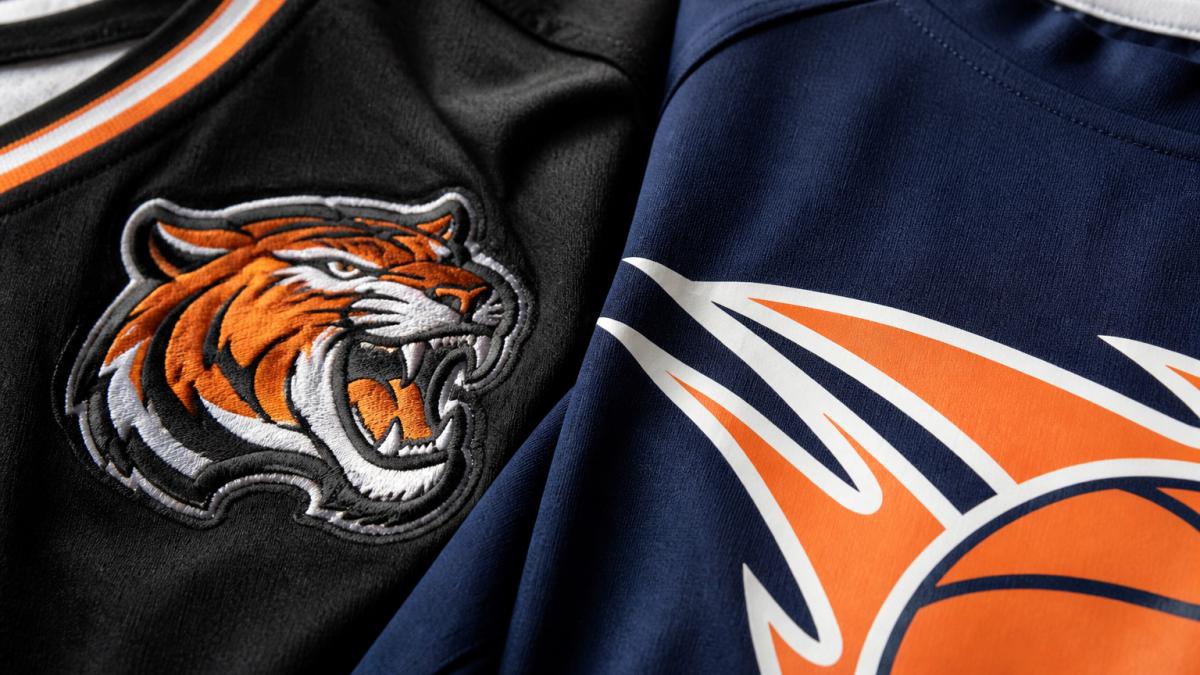
Screen printing and embroidery represent two fundamentally different approaches to decorating apparel, each with specific advantages depending on your design, budget, and durability requirements. Understanding when to use each technique prevents costly mistakes and ensures your finished gear meets expectations.
When Screen Printing Delivers Better Results
Screen printing excels for solid colors, bold graphics, and large coverage areas, creating durable, vibrant images that resist fading. For team logos with multiple colors or photographic elements, it provides superior color matching and visual impact.
Screen printing becomes economical at volume, setup costs are higher, but per-unit costs drop significantly. It also performs reliably on moisture-wicking performance fabrics critical for active wear.
Screen printing requires separate screens for each color (a five-color logo means five screens), influencing timing and cost. It’s ideal for straightforward team designs where durability and color vibrancy matter most.
When Embroidery Is the Right Choice
Embroidery creates raised, textured designs that convey premium quality and professional appearance. For coaching staff apparel or premium spirit wear, embroidery signals investment and professionalism.
Embroidery handles complex details, fine lines, and small text better than screen printing, with virtually unlimited thread color options and no ink-mixing constraints.
Embroidery costs more per unit and takes longer since each garment is stitched individually. However, it outlasts screen printing under heavy washing and wear, making it cost-effective for coaching staff uniforms lasting multiple seasons.
Custom Apparel Turnaround Times: What to Expect
Team sportswear inc production involves multiple stages: design approval, artwork preparation, production setup, decoration, quality checking, and packing. Realistic timelines separate vendors who deliver from those making empty promises.
Standard production requires a specific number of business days from approved artwork to finished product, assuming print-ready files and confirmed sizing. Rush production costs more and requires immediate commitment with no mid-production changes.
If your logo needs cleanup, color correction, or vector conversion, add 3-5 business days. Providers who fix low-quality artwork rather than sending it back for revision accelerate your process significantly.
Seasonal demand affects availability. Communicate urgent timelines immediately, providers managing peak volume (June-August for fall sports, November-December for winter sports) may have limited capacity. Early ordering provides flexibility.
Best Practices for Ordering Custom Apparel
Success hinges on preparation and clear communication before production begins. Most issues arise from incomplete planning and are preventable through a structured ordering process.
Prepare Your Artwork and Design Files
Design file quality directly impacts your finished product. Low-resolution images create pixelated results, poor color choices become muddy, and embedded fonts render incorrectly if the printer lacks them.
Provide vector artwork (Adobe Illustrator, CorelDRAW) when possible, it scales infinitely without quality loss. If you only have raster images, vector conversion takes time and may incur additional costs.
Specify colors using industry standards: Pantone numbers for screen printing, RGB or hex codes for digital printing. “Red” is ambiguous; Pantone 200 is not. This prevents color surprises.
Detailed Sizing and Fit Guides: The Critical Step Most Teams Skip
Uniforms that don’t fit frustrate teams most, and this is where most orders encounter problems. Different manufacturers size dramatically differently; a youth large from one brand might be two full sizes different from another. Adult mediums range from 38-42 inches in chest width depending on fit.
Request detailed sizing charts and measure sample garments if possible. Collect these measurements from every team member: chest/bust (around fullest part), sleeve length (center back neck to wrist), torso length (base of neck to waist), and waist (natural waist, not pants sit).
Create a sizing spreadsheet organized by position. Don’t assume age correlates to size, a tall 12-year-old may need adult small while a 16-year-old wears youth large. Collecting measurements takes 20 minutes and prevents costly returns.
Communicate fit preferences explicitly. Performance fabrics fit more snugly than cotton and may shrink slightly in the dryer. If your team prefers looser movement, size up one size in synthetic blends; for fitted looks, standard sizing works.
For embroidered items, account for added stiffness and bulk. Some athletes prefer sizing up when embroidery is involved, discuss this with your provider.
Understand Durability and Maintenance
Your investment in quality apparel extends only as far as proper care. Screen-printed and embroidered designs require specific maintenance to preserve appearance through multiple seasons.
Wash in cold water, gentle cycle. Avoid hot water, bleach, and harsh detergents. Turn garments inside-out to reduce friction on printed or embroidered areas. Air dry when possible; high heat warps synthetics and stresses stitching.
Never iron directly over embroidery, thread melts under high heat. For screen-printed gear, avoid placing printed areas directly against other garments in the washer, as friction causes peeling.
Store uniforms in a cool, dry place away from direct sunlight. Ensure adequate air circulation in locker rooms or equipment bags to prevent mildew. These practices extend garment life and preserve design integrity.
Bulk Orders, Minimums, and Pricing Flexibility
Many teams hesitate ordering because of prohibitive minimums, national vendors often require 25-50 units per design. Understanding pricing helps you budget accurately and find vendors aligned with your team’s size.
How Pricing Scales with Quantity
Custom apparel pricing follows a tiered structure. Setup costs (artwork preparation, screen creation, digitization) are fixed, so larger orders reduce per-unit cost significantly.
Embroidered items have higher base costs since each garment is stitched individually. Pricing varies with less dramatic volume discounts than screen printing.
Digital printing has lower setup costs but higher per-unit costs, making it economical for small orders.
Evaluating Quotes and Hidden Costs
When requesting quotes, specify: exact quantity, decoration technique, number of colors, placement, fabric choice, and turnaround timeline.
Ask whether quotes include:
- Artwork preparation or file cleanup
- Sample approval before full production
- Quality inspection and packing
- Shipping to your location
Some vendors quote low per-unit prices but add setup fees, art charges, or shipping costs that inflate your total. Request all-inclusive quotes so you can compare apples to apples.
Minimum Order Flexibility
Piercy Sports and Apparel works with smaller quantities because we understand that not every team is a 100-person corporate division. We handle custom orders for youth leagues, small school programs, and local organizations without forcing you into excess inventory. Your 15-player roster doesn’t need to order an excessive number of jerseys to get pricing that makes sense.
However, understand that vendors offering no minimums typically charge higher per-unit prices to offset lower volume efficiency. A smaller order from a flexible vendor may cost less than a larger minimum order from a national vendor, but you’re paying more per unit for that flexibility. Calculate total cost, not just per-unit price.
Budgeting and Fundraising Integration
Many teams use custom apparel as a fundraising tool. If your team plans to sell spirit wear or use apparel sales to offset costs, factor in markup and sales volume when budgeting.
Example: If you order performance jerseys, you might sell them to parents and supporters. Selling a certain number of units covers your cost and generates profit for team operations. This works only if you’ve calculated realistic sales volume beforehand. Overordering creates inventory risk; underordering leaves money on the table.
Discuss fundraising strategy with your provider. Some vendors offer tiered pricing that rewards higher volumes, making it economical to order extra inventory for fundraising. Others provide consignment options where you pay only for items sold. Understanding these arrangements helps you structure an apparel fundraiser that actually generates revenue rather than creating unsold inventory.
Sustainability and Eco-Friendly Fabric Options
Team apparel doesn’t have to carry environmental cost. Growing availability of sustainable fabrics means you can equip your team with quality gear while making responsible choices.
Performance blends using recycled polyester deliver the same moisture-wicking benefits as virgin polyester, with significantly reduced environmental impact. Organic cotton options eliminate synthetic pesticide residues while maintaining durability for athletic use. Some providers offer carbon-neutral production processes or partner with suppliers committed to sustainable manufacturing.
Consider fabric longevity as part of sustainability. Apparel that lasts five years rather than two years reduces overall environmental impact despite higher upfront cost. Quality matters here, investing in durable custom apparel from providers like Piercy Sports and Apparel means your team’s uniforms stay in service longer, reducing replacement frequency and waste.
If sustainability aligns with your team’s values or school mission, communicate that preference when ordering. Availability and pricing vary by fabric choice, but eco-friendly options exist across most decoration techniques and price points. Your provider can recommend sustainable options that meet your performance and budget requirements.
Why Local Custom Apparel Partners Matter
National vendors offer convenience and broad inventory, but local providers like Piercy Sports and Apparel deliver something irreplaceable: direct relationships and accountability. When issues arise, you’re not contacting an 800 number in another state. You’re working with people who understand your community and care about your satisfaction.
Local providers offer flexibility that national operations can’t match. Need a rush order? Can’t decide between two design options? Want to adjust sizing mid-production because you added a last-minute roster spot? Local relationships enable these adjustments. National vendors operate on rigid systems designed for efficiency, not accommodation.
Quality control improves with proximity. We inspect your order personally before it ships. We understand your team’s specific needs because we work with local organizations regularly.
Supporting local business also strengthens your community. When you order from Piercy Sports and Apparel, your investment stays local, supporting jobs and local economic activity. For teams and organizations that value community connection, that matters.
| Consideration | Local Provider | National Vendor |
|---|---|---|
| Turnaround Time | Fast, reliable turnaround times | 14-21 days standard |
| Customization Flexibility | High, adjustments possible | Low, rigid processes |
| Quality Control | Personal inspection | Automated systems |
| Minimum Order Requirements | Flexible, small orders welcome | Often 25-50 unit minimums |
| Communication | Direct contact available | Phone/email support only |
| Local Accountability | Direct relationship | Anonymous corporate entity |
Ordering custom apparel for your team doesn’t require settling for generic options or dealing with vendors who treat your order like a transaction. At Piercy Sports and Apparel, we handle every detail, from artwork preparation to final quality inspection, because we understand that your team’s uniform represents your identity and values.
Frequently Asked Questions
What should I look for when choosing a custom team uniform provider?
Evaluate providers on production capacity, turnaround time, embellishment techniques (screen printing, embroidery, sublimation), fabric quality, and whether they handle design work. Request samples of previous team sportswear projects to verify durability and color matching. Confirm they can accommodate your order size without excessive minimums, and ask about their process for handling mid-season roster changes or reorders.
How does digital printing compare to screen printing for team jerseys?
Screen printing offers superior durability for high-volume orders and creates vibrant colors with excellent longevity. Digital printing (including sublimation) works well for complex, multi-color designs and small runs but may have different fade characteristics. Digital methods are faster for design changes, while screen printing provides cost efficiency at scale. Choose based on your design complexity, order quantity, and performance fabric requirements.
What’s the typical turnaround time for custom team apparel?
Standard custom apparel turnaround typically ranges depending on order complexity, embellishment technique, and current production capacity. Rush options may be available at additional cost. Design approval, artwork preparation, and sample approval add time before production starts. Always confirm turnaround with your provider before ordering, especially if you have a hard deadline like a season start date.
Can custom embroidery and screen printing withstand regular washing and wear?
High-quality embroidery and screen printing are built to last through hundreds of washes when applied to durable performance fabrics. Durability depends on thread quality, ink formulation, proper curing, and care. Recommend cold water washing and air drying to maximize lifespan. Ask your provider about their specific techniques, thread types, and quality guarantees. Reputable shops stand behind their work and can show examples of uniforms that have held up over multiple seasons.